Bottom Loading: Why overfill alone may not be enough
Specifying an anti-overflow system for loading begins with a question that comes before the tank level: is the truck truly ready to receive the product? In bottom loading, the answer depends on conditions that already exist before the pump is activated, such as liquid retained in the truck's own piping.
The overfill system is a fundamental barrier against spillage, but it also operates during filling. A complete system adds checks before transfer: residual product, vehicle and compartment identification, and status of the overfill sensors.
This guide shows what each technology verifies, how they complement each other, and what decisions need to be made in the specification.
What happens before loading begins?
In bottom loading, the product enters the truck through connections at the bottom of the compartments. Before the transfer, there may be remaining liquid in the truck's own piping.
This liquid poses a risk of product contamination, reduces the available capacity for new loading, and can contribute to an overflow. Therefore, protection needs to go beyond simply monitoring the level.
Can the overfill system identify everything?
No. The overfill system detects the level condition inside the compartment during loading and sends a signal to stop the process. It's a fundamental barrier against overflow, but it acts on what happens during filling.
If there is already product trapped in the pipeline before the first liter enters, the problem started earlier. Overfill monitors a condition during loading; ATC adds a preventative check before transfer.
This logic guides TSPRO's ATC System for Bottom Loading operations, developed to address situations that a conventional overfill system may not be able to identify on its own.
Why might there be product in the truck's fuel lines?
A tanker truck can transport different products and perform successive loading and unloading cycles. Even after unloading, liquid may remain in the piping associated with the compartment, due to reasons related to the operation, the product, and the vehicle configuration.
The residual product is already present before the new loading. If the next product is different, the residue can come into contact with it and, depending on the application, even a small amount can compromise quality. Therefore, contamination prevention needs to begin before the transfer.
How does ATC identify the residual product?
In the TSPRO ATC Bottom Loading device, detection occurs directly on the loading arm. After the API coupler is connected to the truck, opening the API valve allows an optical sensor to check for liquid in the pipeline.
According to the equipment manual, the system identifies when approximately 4 liters of liquid are retained in the truck's tubing. When it detects this condition, it prevents loading from starting and indicates the presence of fluid on the control panel.
The logic is preventative: connect → verify → release or block → load.
If there is residual liquid in the pipeline, two issues come into play in the decision. First, the risk of contamination: if the residual product is different from what was planned, mixing may occur. Second, the available capacity: the liquid already in the system occupies volume in the assembly that will be loaded.
A safe operation considers not only "how much product are we shipping?", but also "what is already in the truck before we start?".
Does ATC replace the overfill system?
No. ATC was developed to supplement existing overfill. Each technology acts on a different condition:
| System | Main function |
|---|---|
| ATC | Detect any remaining product and proactively prevent loading from starting. |
| Overfill | Monitor the product level during loading. |
| Terminal automation | Apply the logic of permissiveness, blocking, and control to the process. |
Process safety doesn't mean having a single piece of equipment that does everything. It means building barriers that act at different points in the operation.
What other checks should be specified before loading?
Residual product is only one factor. In a bottom-loading operation, it's also important to know which vehicle is connected, which compartment will be loaded, its capacity, the programmed volume, whether the necessary overfill sensors are available, and whether communication between the equipment is adequate. A correct physical connection does not guarantee that the programmed operation will be correct.
RFID: Vehicle and compartment identification. RFID tags store data such as the vehicle's license plate, identification, and compartment capacity. This data can be compared with the terminal's programming before release, helping to reduce risks such as connecting to the wrong compartment, loading volumes exceeding capacity, and discrepancies between the vehicle and programming.
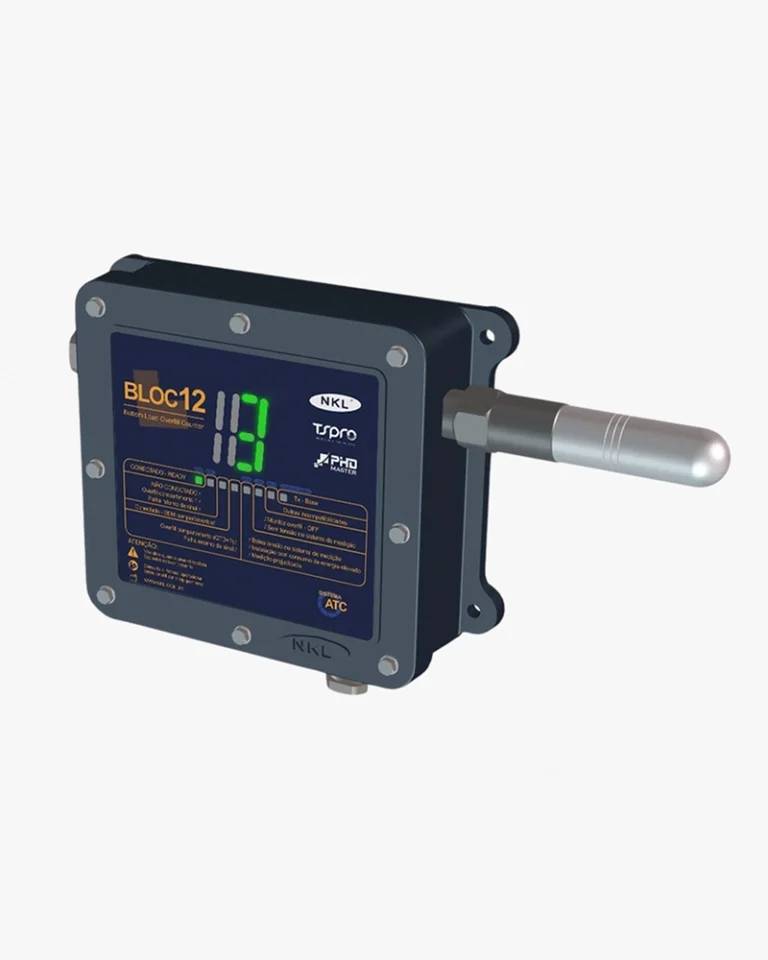
BLOC12: Overfill sensor diagnostics. The BLOC12 is a module that can be incorporated into the ATC architecture to count and diagnose overfill sensors. It checks the quantity and status of the sensors before operation and monitors up to 12 five-wire optical sensors, according to EN 13922.
Each technology answers a different question: ATC checks for residual product, RFID verifies compartment identification and data, and BLOC12 checks overfill sensors. The automation system uses this information to decide whether loading can proceed.
How do the checks work together?
Before releasing the load, an integrated architecture can evaluate different conditions:
- Is there any residual product? If so, loading is blocked.
- Do the vehicle and compartment match the programming? If not, loading is blocked.
- Is the compartment capacity compatible with the programmed volume? If not, loading is blocked.
- Are the necessary overfill sensors available and in proper working order? If not, loading may be prevented.
Only after these checks does the process proceed to the transfer. Instead of waiting for a problem to occur before interrupting the loading, the system looks for unsafe conditions before the transfer begins.
And what about Top Loading?
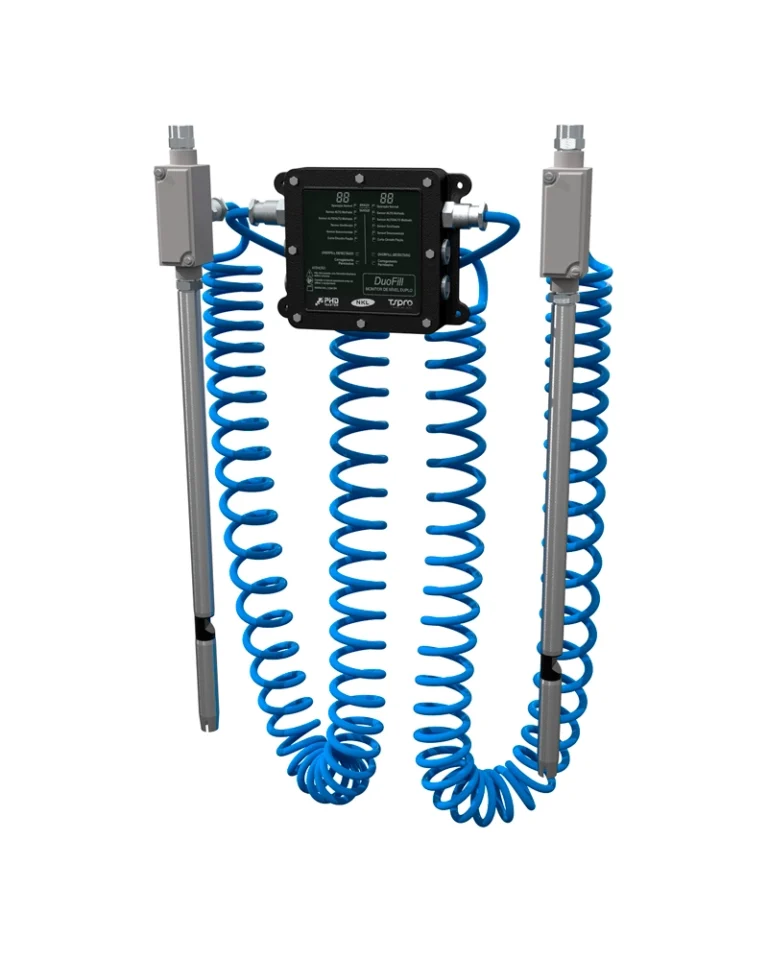
In top loading, the logic is similar, with other features. The ATC Top DuoFill System monitors up to two two-wire optical sensors. With a dual-detection sensor, the first point alerts the preset to reduce the flow rate, and the second interrupts the loading. With a sensor at the tip of the dip tube, the system identifies any remaining product at the bottom of the tank before loading begins.
What does modular architecture mean?
Not every terminal has the same infrastructure. Some facilities already have advanced automation, while others need to incorporate new functions gradually. Therefore, ATC has a modular architecture and can be configured with:
- ATC Check Valve;
- RFID wand;
- RFID tags;
- BLOC12;
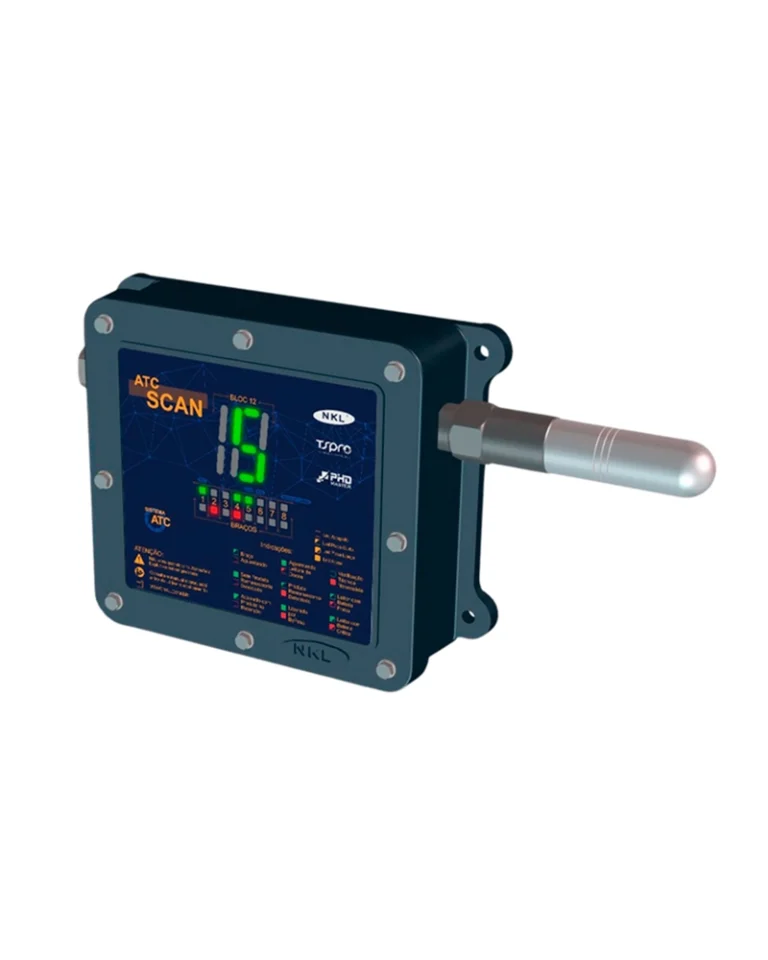
- ATC Scan;
- Integration with the terminal automation system.
The goal is not to replace all existing automation, but to add information and interlocks to what the terminal already has. ATC Scan, for example, centralizes information from field equipment and makes it available to the supervisory system via Modbus protocol. The solution can be provided partially or completely, depending on the structure of each installation.
What should be defined before specifying the system?
To specify correctly, the terminal needs to answer a few questions:
- Is the loading from above, below, or both, and how many arms and positions will be accommodated?
- What products are being transported and what is the risk of contamination between them?
- What automation systems already exist (preset, PLC, supervisory system) and how will they receive the permission and blocking signals?
- What is the current overfill system and what are the truck sensors like (type and quantity)?
- Is it necessary to identify the vehicle and compartment and compare the capacity with the programmed volume?
- Do overfill sensors need to be diagnosed before each operation?
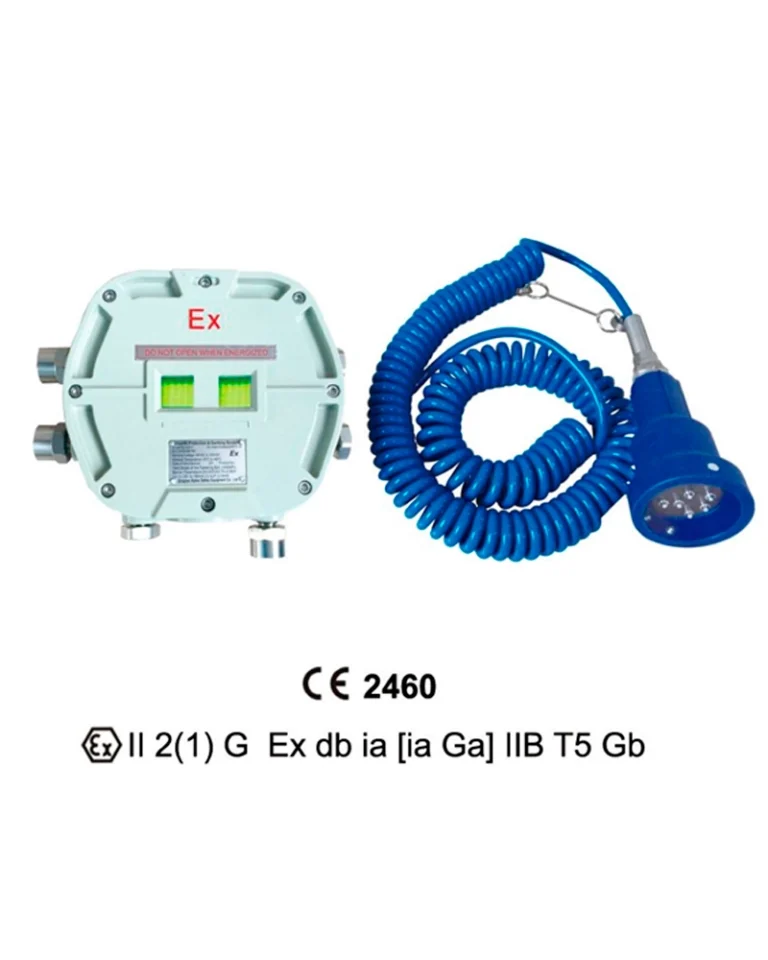
- What are the area classifications and certifications required for electrical components?
- Who decides, and how is the release of an exceptional condition recorded?
With these answers, engineering defines the most suitable configuration, partial or complete, and the order of deployment. The basic equipment includes the Bottom Loading arm, the API coupler, and the API check valve, and an overfill monitor may complement the installation. To understand the arm's role in operational safety, see the guide Loading Arm: What it is, how it works, and why it impacts operational safety and cost.
And what happens when an exceptional circumstance is identified?
In an industrial operation, not every out-of-standard condition is a permanent failure. The operator or maintenance personnel may need to analyze the situation before the process continues. Therefore, any exceptional procedure must be controlled and follow the criteria defined for the installation.
An operational exception should not lead to the permanent deactivation of protection. A safety barrier only fulfills its function when there is a clear logic to detect → signal → block → analyze → release in a controlled manner.
What are the main points?
- Overfill is an important barrier against spillage during loading, but on its own it does not identify all the conditions prior to transfer.
- There may be residual product in the truck's piping before loading, posing a risk of contamination and overloading.
- The ATC Bottom Loading system identifies liquid retained in the piping starting at approximately 4 liters and prevents loading from beginning.
- RFID adds vehicle and compartment identification and validation.
- The BLOC12 monitors the quantity and status of overfill sensors.
- Integration with automation transforms this information into permissiveness and blocking.
- The modular architecture allows the solution to be adapted to each terminal.
Conclusion
In bottom loading, safety doesn't just mean stopping loading when the compartment is full. It also means not starting loading when the conditions for doing so safely haven't yet been verified.
Specifying an anti-overflow system means deciding which checks the terminal needs before, during, and at the release of the load, and in what order to implement them. This shift, from predominantly reactive protection to a proactive verification of process conditions, is at the heart of the ATC proposal.
Frequently asked questions
What is an anti-overflow system in Bottom Loading?
It is the set of barriers that prevents spillage and contamination of the product during bottom loading.
Overfill monitors the level during filling, and ATC checks conditions such as residual product in the pipeline before releasing the transfer.
Does ATC require RFID and BLOC12 to function?
Not necessarily.
The architecture is modular: residual product detection can be combined with RFID, BLOC12, ATC Scan and integration with automation, partially or completely, according to the structure of each installation.